Weather in February
February is one of the coldest months in Iceland, but the days are getting longer and there is more daylight than in the darkest part of winter. The weather is still very unpredictable and can change quickly from snow and wind to rain, sunshine, or even full winter storms. In Reykjavík, the average temperature in February is around 0.4°C (32.7°F), with about 52 hours of sunshine and average precipitation of 72 mm.
There is often plenty of snow in Iceland in February, which makes it a fantastic month for travelers who want to experience a true Nordic winter. Because the nights are still long and dark, February is also one of the best months for seeing the Northern Lights.
Driving in Iceland in February
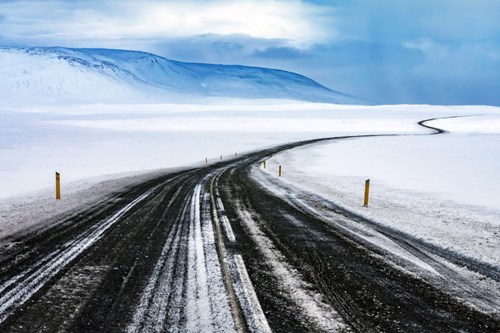
Driving in Iceland during February can be rewarding, but winter conditions often make it more challenging than in other seasons. Roads may be icy or snow-covered, strong winds are common, and storms can sometimes create very poor visibility or even full whiteout conditions. It is important to check both road and weather updates before every drive.
In February, many roads in Iceland can still be difficult or impassable, especially in more remote parts of the country such as the Westfjords, North Iceland, and the East. Mountain roads remain closed, and travel plans may need to change quickly depending on the forecast.
If you are planning to rent a car in February, we recommend choosing a 4WD vehicle with proper winter tires, and only driving if you feel confident in cold-weather conditions. The main roads around Reykjavík and the most popular sightseeing routes are usually maintained, including the Golden Circle, the South Coast, Snæfellsnes Peninsula, and much of the southwest.
If you are not comfortable driving in winter, there are many bus tours and private tours available in February, which can be a much easier way to experience Iceland in snowy conditions.
If you decide to drive in Iceland here you will find useful tips and more extensive information.
What to wear
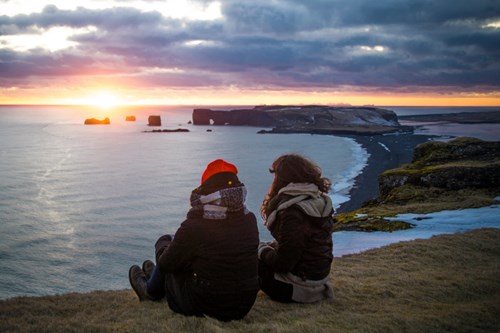
Winter in Iceland is cold, but it often feels colder than the thermometer suggests because of the wind and wet weather. February can shift quickly from clear and calm to snow, sleet, or strong gusts, so the best strategy is to wear warm layers and prepare for changing conditions.
The average winter temperature in Iceland is around 1°C (33.8°F), but wind chill can make it feel much colder. The first thing we recommend for your February trip is layers, more layers, and good shoes.
- Hiking boots – If you are only staying in Reykjavík, sneakers may be enough for short city walks, but if you will be traveling around the country and spending time outside, good hiking shoes or boots are a much better choice.
- Base layer – Warm layers under your clothes may be the best thing you bring to Iceland. Wool or thermal underwear is especially useful in February.
- Fleece or wool – A fleece jacket or traditional Icelandic wool sweater works very well as a warm mid-layer.
- Parka or waterproof and windproof jacket – A warm outer layer is essential in February, especially when the weather turns wet, snowy, or windy.
- Waterproof pants – These are very useful for winter sightseeing, windy days, and wet or snowy conditions.
- Hats, gloves, and warm socks – Bring at least one lighter pair and one thicker set if you plan to spend long days outdoors.
- Swimsuit – You will probably want to relax in Iceland’s swimming pools, geothermal baths, or hot springs after a cold day outside.
Frequently asked questions about Iceland in February
Yes. February is one of the best winter months to visit Iceland if you want snowy landscapes, longer days than January, strong Northern Lights potential, and a wide range of winter tours.
Quick info
- Average temperature: 0.4°C / 32.7°F
- Average sunshine: 52 hours
- Average precipitation: 72 mm
- Best for: Northern Lights, snowy landscapes, winter road trips, and glacier adventures
Things to do in February

Northern Lights Super Jeep Tour on Eyjafjallajokull glacier or the volcano that erupted in 2010

Walk on the ice of Sólheimajökull with a certified guide. A safe and unforgettable glacier experience.

The famous Golden Circle tour in a Super Jeep, visit the highlights of Iceland; Þingvellir, Geysir and Gullfoss

The silver circle is the perfect tour for those who wish to experience Iceland at it’s best.

Join a full-day glacier experience from Reykjavik and explore the world’s only year-round ice tunnel inside Langjökull.