Weather in November
November is when Iceland begins to feel truly wintry again. The days are shorter, the first proper snow often arrives, and the landscapes start taking on that quiet, dramatic look that so many visitors come here to experience. For travelers who love atmosphere, darker evenings, and the feeling of early winter settling in, November can be a very memorable time to visit.
The average temperature in November is around 1.1°C (33.9°F), with about 39 hours of sunshine and average precipitation of 73 mm. You should still be prepared for changing weather, but that mix of colder air, dark evenings, and fresh snow can make Iceland feel especially magical at this time of year.
November is also one of the months when the Northern Lights become a major part of the travel experience again. For many visitors, it is the combination of snowy scenery, quieter roads, hot springs, and aurora potential that makes November so special.
Driving in Iceland in November
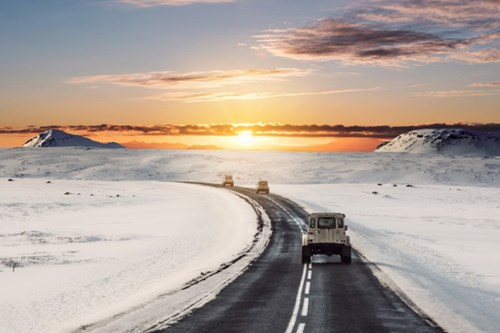
Driving in Iceland in November requires more care than in autumn or summer, because winter conditions can begin affecting roads in many parts of the country. Snow, ice, wind, and reduced daylight can all make travel slower and more demanding, especially outside Reykjavík and the most traveled routes.
It is important to check road and weather updates before every longer drive. In November, some roads in more remote areas may already be less reliable, and mountain roads are closed. Main roads around Reykjavík and many of the most popular sightseeing regions are usually maintained well, including the Golden Circle, the South Coast, Snæfellsnes Peninsula, and much of the southwest.
If you plan to rent a car in November, a 4WD is a sensible choice, especially if you want more flexibility and expect to travel beyond the capital area. It is also wise to allow extra time, stay flexible, and avoid rushing when conditions are changing.
If you are not comfortable driving in early winter conditions, many bus tours and private tours are also available during November.
If you decide to drive in Iceland here you will find useful tips and more extensive information.
What to wear
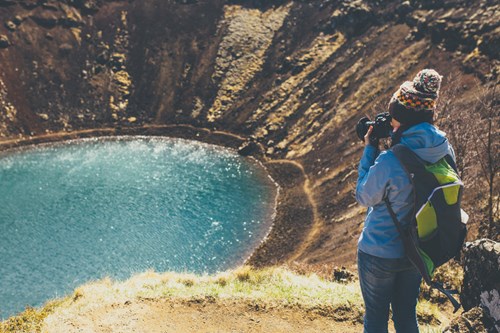
November in Iceland is cold enough that good layers make a big difference. You should pack for changing conditions and expect that mornings, evenings, and exposed outdoor stops may feel much colder than the thermometer suggests.
Warm clothes, good shoes, and reliable outerwear are essential. The best approach is to dress in layers so you can stay comfortable through shifting weather and longer days outdoors.
- Hiking boots - If you are planning on only staying in Reykjavík then sneakers might be enough but if you will be travelling around the country and staying outside you need good hiking shoes that will keep you warm.
- Base layer - Warm layers under your clothes might be the best thing you bring to Iceland. We recommend wearing long wool or thermal underwear, and you can buy it in outdoor clothing stores in Iceland.
- Fleece or wool - A fleece jacket or Icelandic wool sweater is an excellent middle layer for November.
- Parka or water and windproof jacket - A warm outer layer is very useful in November, especially when conditions turn colder, wetter, or windier.
- Water and windproof pants - These are very useful for wet days, icy ground, and longer outdoor stops.
- Hats, gloves and warm socks - Bring at least one lighter set and one thicker set if you plan to spend a lot of time outside.
- Swimsuit - You are going to want to relax in our warm swimming pools or hot springs after a long day outside.
Frequently asked questions about Iceland in November
Many travelers love November because it feels atmospheric, quieter, and distinctly Icelandic. You often get the first snow, darker evenings, hot spring weather, and a much stronger feeling of winter magic than in early autumn.
Quick info
- Average temperature: 1.1°C / 33.9°F
- Average sunshine: 39 hours
- Average precipitation: 73 mm
- Best for: Northern Lights, early winter scenery, hot springs, and quieter travel
Things to do in November

This Northern Lights tour will take you for a hunt for this spectacular natural phenomenon.

Super Jeep tour to rhyolite mountains, geothermal areas, black beaches, glaciers, volcanoes, waterfalls and so much more!

Ride across Iceland’s black sand beaches on an ATV adventure to the iconic DC-3 plane wreck on the South Coast.

The famous Golden Circle tour in a Super Jeep, visit the highlights of Iceland; Þingvellir, Geysir and Gullfoss

Explore a natural blue ice cave and hike on Falljökull glacier in Skaftafell National Park with expert guides.