Weather in May
May is one of the best months to visit Iceland if you want longer days, greener landscapes, and more flexible travel conditions without peak-summer crowds. The average temperature in May is around 6.3°C (43.3°F), though mild days can reach 10 to 12°C (50 to 53.6°F). Average precipitation is around 44 mm, making May one of the driest months of the year.
It is a great month to travel around the country, explore different towns and villages, and enjoy daylight from early morning until late evening. Average sunshine is around 192 hours, and because the busiest summer period has not fully started yet, many places still feel calmer than later in the season.
Driving in Iceland in May
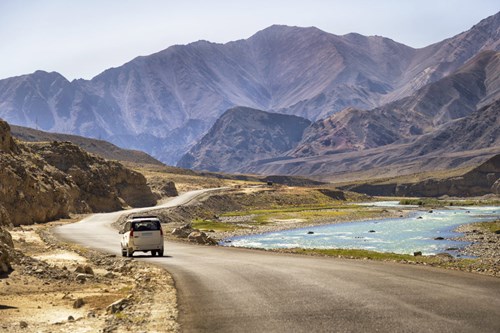
Renting a car is one of the most popular ways to explore Iceland, and May is a very good month for it. Temperatures are milder than in winter, and roads are usually free of ice and snow in the most visited parts of the country. Still, Icelandic weather is always unpredictable, so travelers should be prepared for changing conditions, including strong wind, rain, fog, and occasional cold snaps.
It is always important to check road and weather conditions before heading out. If you plan to visit more remote areas, renting a 4WD vehicle is a smart choice. Remember that off-road driving is strictly forbidden in Iceland, and speeding fines can be very high.
In May, most main roads are accessible, while some remote routes and mountain roads may still be closed. Popular regions such as the Golden Circle, the South Coast, Snæfellsnes Peninsula, and much of North Iceland are generally easy to visit. May is also a strong month for driving the Ring Road, thanks to longer daylight and more comfortable travel conditions.
If you are not comfortable driving yourself, there are also many bus tours and private tours available around Iceland in May.
If you decide to drive in Iceland here you will find useful tips and more detailed information.

What to wear
Spring in Iceland is milder than winter, but it still feels cool, especially when the wind picks up. In May, temperatures continue to rise, yet the weather can still shift quickly between sunshine, rain, and chilly conditions. If you are spending long days outdoors, warm and practical clothing still matters.
You may not need a heavy parka every day, but good layers are essential. Waterproof outerwear, warm base layers, and sturdy shoes will make your trip much more comfortable.
- Hiking boots – If you are only staying in Reykjavík, sneakers may be enough, but for travel around the country and outdoor stops, proper hiking shoes are a much better choice.
- Base layer – Warm layers under your clothes can make a big difference. Wool or thermal underwear is especially useful on colder or windier days.
- Fleece or wool – A fleece jacket or traditional Icelandic wool sweater is ideal as a warm middle layer.
- Waterproof and windproof jacket – Even in May, wind and rain are common, so a good outer layer is essential.
- Waterproof pants – Very useful for windy days, waterfalls, wet paths, and longer sightseeing stops.
- Hat, gloves, and warm socks – Bring at least one lighter set and one warmer set if you plan to spend a lot of time outdoors.
- Swimsuit – Always worth packing for Iceland’s swimming pools, hot springs, and geothermal lagoons.
Frequently asked questions about Iceland weather in May
Yes. May is one of the best shoulder-season months to visit Iceland, with longer days, greener landscapes, and generally easier travel conditions than in winter.
Quick info
- Average temperature: 6.3°C / 43.3°F
- Average sunshine: 192 hours
- Average precipitation: 44 mm
- Best for: Spring road trips, waterfalls, whale watching, puffins, and long daylight
Things to do in May

Experience Iceland’s ultimate contrast in one unforgettable day. Travel by Super Jeep into the highlands, snowmobile on Langjökull...

Experience horseback riding in the Icelandic countryside followed by an unforgettable whale watching tour from Reykjavík.

Discover Iceland’s South Coast with waterfalls, black sand scenery, and an easy guided glacier walk on Sólheimajökull.

A guided hike through Mývatn’s geothermal landscapes, ending with a soothing soak at the Mývatn Nature Baths.