Weather in January
January is one of the darkest and coldest months in Iceland, but it can also be one of the most rewarding times to visit. Snowy landscapes, ice caves, hot springs, and excellent Northern Lights potential make Iceland in January a great choice for travelers who want a dramatic winter experience.
Average temperatures in Reykjavík are around -0.5°C (31.1°F), and weather conditions can change quickly with wind, snow, rain, or clear skies all in the same week. If you plan well, dress properly, and stay flexible, January can be a fantastic month for winter sightseeing and guided adventures.
January is especially appealing for travelers who want to experience Iceland in its full winter atmosphere, with fewer daylight hours, icy scenery, and some of the best seasonal tours of the year.
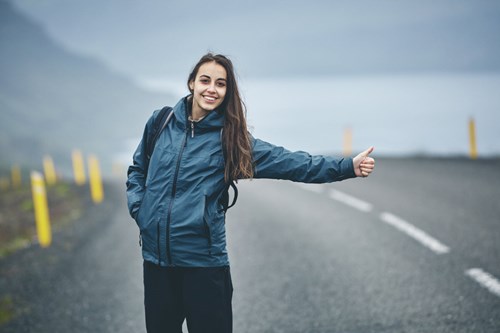
Driving in Iceland in January
Driving in Iceland in January can be rewarding, but it requires extra care and flexibility. Winter conditions often bring snow, ice, strong winds, limited daylight, and rapidly changing road conditions, especially outside Reykjavík and the most traveled routes.
Main roads around the capital and the most popular travel areas are often serviced regularly, but conditions can still change quickly during the same day. In North Iceland, the Eastfjords, the Westfjords, and mountain passes, weather can be harsher and some routes may become difficult or temporarily inaccessible.
If you plan to rent a car in January, a 4WD vehicle is usually the better choice, especially if you want the freedom to explore beyond the capital area. It is also important to allow extra travel time, check road and weather updates before setting out, and avoid pushing ahead if conditions worsen.
For many visitors, January is an excellent month to combine self-drive travel in the southwest with guided day tours for glacier areas, ice caves, or longer winter routes. That gives you more flexibility while still letting you enjoy some of Iceland’s best winter experiences.
If you are planning a self-drive trip, read our driving in Iceland guide for road rules, seasonal conditions, and practical tips before you set out.
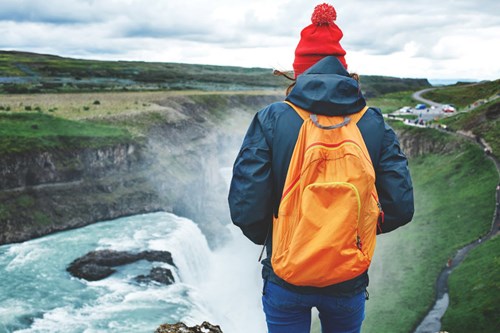
What to wear in Iceland in January
January in Iceland is cold, but the weather often feels even colder because of wind, wet conditions, and changing temperatures. The best approach is to dress in warm layers and be prepared for anything from calm winter sunshine to snow, sleet, and strong gusts.
A good winter outfit for Iceland in January usually starts with a thermal base layer, followed by a warm mid-layer such as fleece or wool, and a waterproof outer layer that protects against wind and precipitation. A warm winter jacket, waterproof pants for longer outdoor activities, and sturdy shoes are all highly recommended.
- Waterproof jacket: Essential for snow, wet wind, and unpredictable winter weather.
- Warm layers: Thermal tops, fleece, wool sweaters, or insulated mid-layers work best.
- Waterproof shoes or boots: Important for icy paths, snow, and wet ground.
- Hat, gloves, and scarf: Strong winter winds can make the weather feel much colder.
- Warm socks: Bring several pairs, especially if you plan outdoor activities.
- Swimwear: A must for hot springs, geothermal baths, and swimming pools.
If your trip includes Northern Lights tours, glacier walks, ice caves, or long sightseeing days outdoors, it is worth dressing warmer than you think you need. In Icelandic winter, comfort often depends more on layering and wind protection than on the air temperature alone.
Frequently asked questions about Iceland in January
Yes, January is a great time to visit Iceland if you want snowy landscapes, winter tours, hot springs, and strong Northern Lights potential. It is one of the best months for travelers who want a full winter experience.
Text Test January
Quick info
Average temperature: -0.5°C / 31.1°F
Average sunshine: 27 hours
Average precipitation: 76 mm
Best for: Northern Lights, winter tours, hot springs, and ice caves
Things to do in January

Walk across blue ice on a stunning outlet glacier in Skaftafell. A guided hike on Europe’s largest ice cap.

Self-drive husky sledding near Akureyri and Lake Mývatn, with a kennel visit and snowy trail ride.

Ice climbing tour with a maximum of 4 participants on Breiðamerkurjökull, one of Vatnajökull’s biggest outlet glacier.

Relax in naturally heated geothermal pools at Krauma, sourced from Europe’s most powerful hot spring.